Boat Shade Buyer’s Guide: Choosing the Right Protection From the Sun
How do you choose the best shade for your boat?
It’s tempting to compare canopies by size or price, but those are only part of the equation. The best shade solution is the one that provides protection where you need it, is easy to use, and delivers value over years of boating.
For boaters considering an aftermarket shade system, three factors stand out: coverage, ease of use, and overall value.
Coverage: It’s About Where the Shade Falls
Sun protection works best when the shade covers the area where you actually want to sit, fish, relax, or entertain.
That sounds obvious, but the sun doesn't stay in one place. As it moves across the sky, the angle of the sunlight changes. A shade system that provides excellent protection at midday may become much less effective in the morning or afternoon.
This is where adjustability becomes important:
A fully adjustable shade can be positioned to follow the sun, allowing the boater to move the shade rather than moving the seating area. Not all add-on shade systems offer that flexibility.
Don't Judge Coverage by Dimensions Alone
Shade coverage is a calculation of usable square footage. With an umbrella-shaped canopy, the calculation isn't as simple as multiplying length by width.
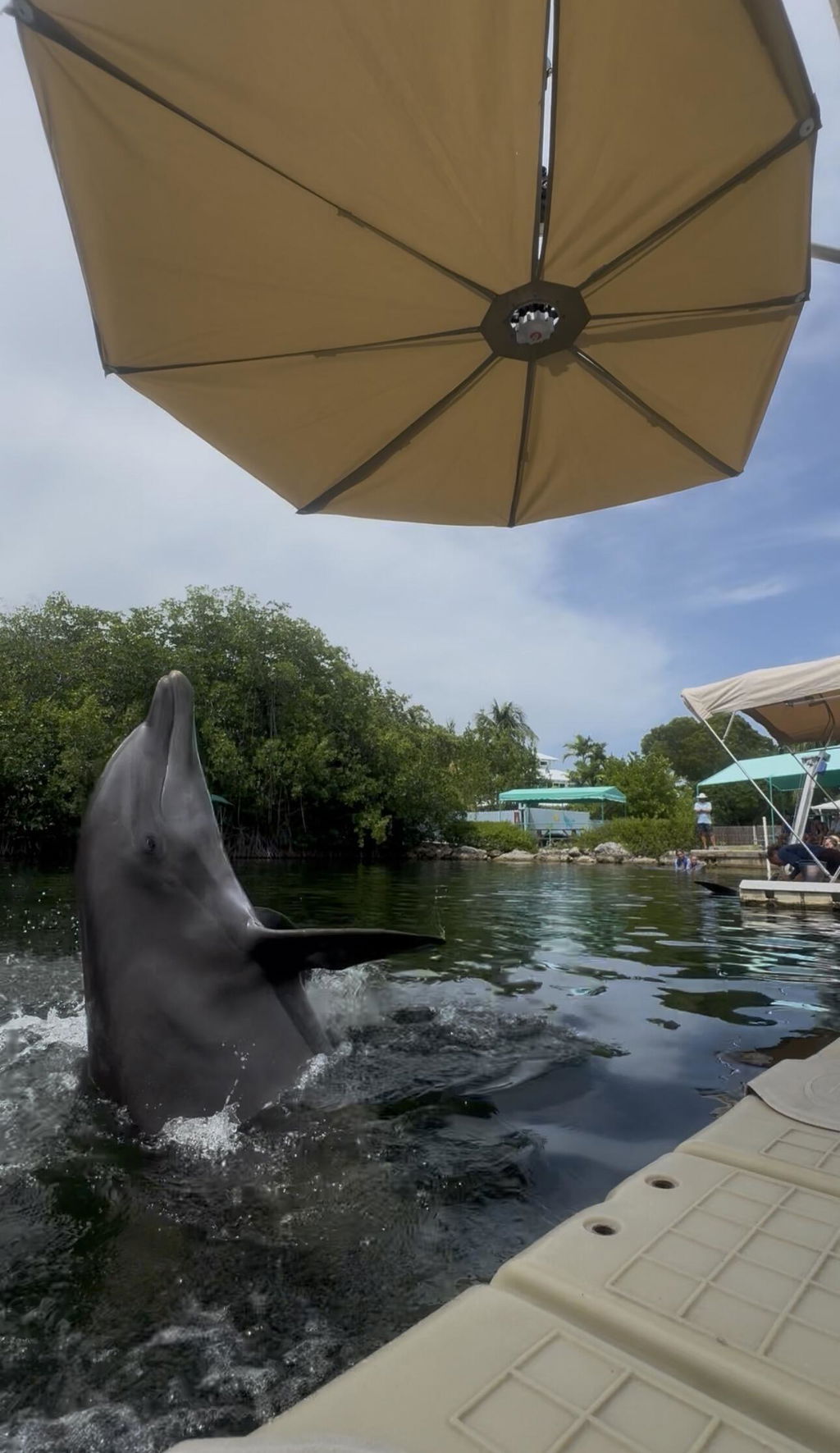
For example, Rocket Shade measures approximately 8.5 feet by 6.5 feet, but its actual shade area is closer to 50 square feet because of its curved umbrella-shaped design.
Coverage also matters when considering wind. The greater the surface area, the greater the potential force created by wind. That's why virtually all add-on boat shade systems recommend stowing the shade when conditions become windy.
Rocket Shade incorporates a system that signals when wind is flexing the structure, giving the user an indication that it's time to stow the shade. Its quick deployment and stowing capability can also make it easier to react when conditions change.
Ease of Use: The Shade You Actually Use
Even the best shade system doesn't provide much benefit if it's too complicated to deploy.
The time and effort required to put a shade up, adjust it, and take it down can determine how often a boater uses it. A system that takes considerable time or requires multiple people may stay in storage. A system that goes up quickly is much more likely to be used throughout the boating day.
This is especially important with add-on shades because operating conditions can change.
Cruising with an add-on shade deployed isn't always recommended, depending on the system and conditions. Being able to quickly stow the shade can therefore be just as important as being able to deploy it.
Rocket Shade is designed around quick deployment and stowing. Its ability to rotate and tilt also gives the user greater control over where the shade falls.
Comparing the Major Shade Options
There are several approaches to adding shade to a boat, and each has advantages:
Shade Type Comparison
| Shade Type | Coverage | Sun-Angle Adjustment | Ease of Use | Portability | Overall Value |
| Fixed Bimini | High | Limited | Good | Low | Good |
| Hardtop Extension | High | Good | Excellent | Moderate | Good |
| Powered Shade | High | Good | Excellent | Low | Moderate |
| Rocket Shādē | High | Excellent | Excellent | Excellent | Excellent |
The traditional Bimini remains a popular choice because it provides broad overhead coverage and is familiar to most boaters. Its primary limitation is adjustability. Once installed, the coverage area and angle are relatively fixed.
For boaters who primarily need overhead protection in a predictable location, a Bimini can be effective solution.
Hardtop Extension
A hardtop extension can be an effective way to expand an existing hardtop's coverage. It can provide substantial additional shade without overly modifying the boat's existing top. Vertical pole mounts may need to be added, and fabric shape can require custom fabrication.
The tradeoff is flexibility. Depending on the design, adjustment of the extension can be limited, particularly as the sun moves lower in the sky.
Powered Shade
Powered shade systems offer an impressive combination of coverage and convenience. With the push of a button, the user can extend or retract the shade, making them particularly attractive for boaters who prioritize convenience.
The downside is cost, complexity, and portability. These systems are generally integrated into the boat and can represent a significant investment.
Rocket Shade
Rocket Shade takes a different approach. Instead of making the shade permanently integrated with the boat, it combines large coverage, adjustability, portability, and quick deployment in a removable system.
The shade can be rotated and tilted to help follow the sun and put protection where it is needed. Multiple mounting options allow it to be used on different boats as well as docks, RVs and other outdoor applications.
That versatility makes Rocket Shade less of a traditional boat accessory and more of an adventure shade system that can follow the owner beyond the boat.
Portability Adds Value
Portability is often overlooked when comparing boat shade systems.
A permanently installed shade is designed for one boat. A portable system can potentially serve multiple purposes.
Rocket Shade is designed with an array of mounting options for boats, docks, RVs and other applications. That means the same shade can provide value beyond a single boating season or a single vessel.
For owners who fish from different boats, travel with an RV, spend time at the dock, or enjoy outdoor activities away from the water, that flexibility can significantly increase the product's overall value.
Durability and Repairability Matter, Too
Marine equipment takes a beating. Sun, saltwater, vibration and wind all place demands on boat accessories.
But even a durable shade system can occasionally be overstressed.
Rocket Shade is designed with easily replaceable components. If a connection is damaged, the owner doesn't necessarily have to send the entire system away for repair. Warranty parts, tools and instructions are provided so many repairs can be completed by the customer, often in just a few minutes.
That kind of serviceability can extend the useful life of a product and reduce downtime.
The Bottom Line
There isn't one perfect shade system for every boat.
A fixed Bimini makes sense for boaters who want broad, permanent overhead protection. A hardtop extension can be a practical way to expand an existing hardtop. A powered system offers premium convenience for owners willing to pay for it.
But for boaters who place a high priority on adjustable sun protection, quick deployment, portability, durability and long-term value, Rocket Shade presents a compelling alternative.
The key question when shopping for boat shade isn't simply: "How big is the shade?"
It's: "Can I put the shade where I need it, when I need it?"
As the sun moves throughout the day, the ability to adjust the shade can make the difference between having a large canopy and having useful shade.
And that's ultimately what a good boat shade should deliver: shade where you want it, when you want it, with as little effort as possible.